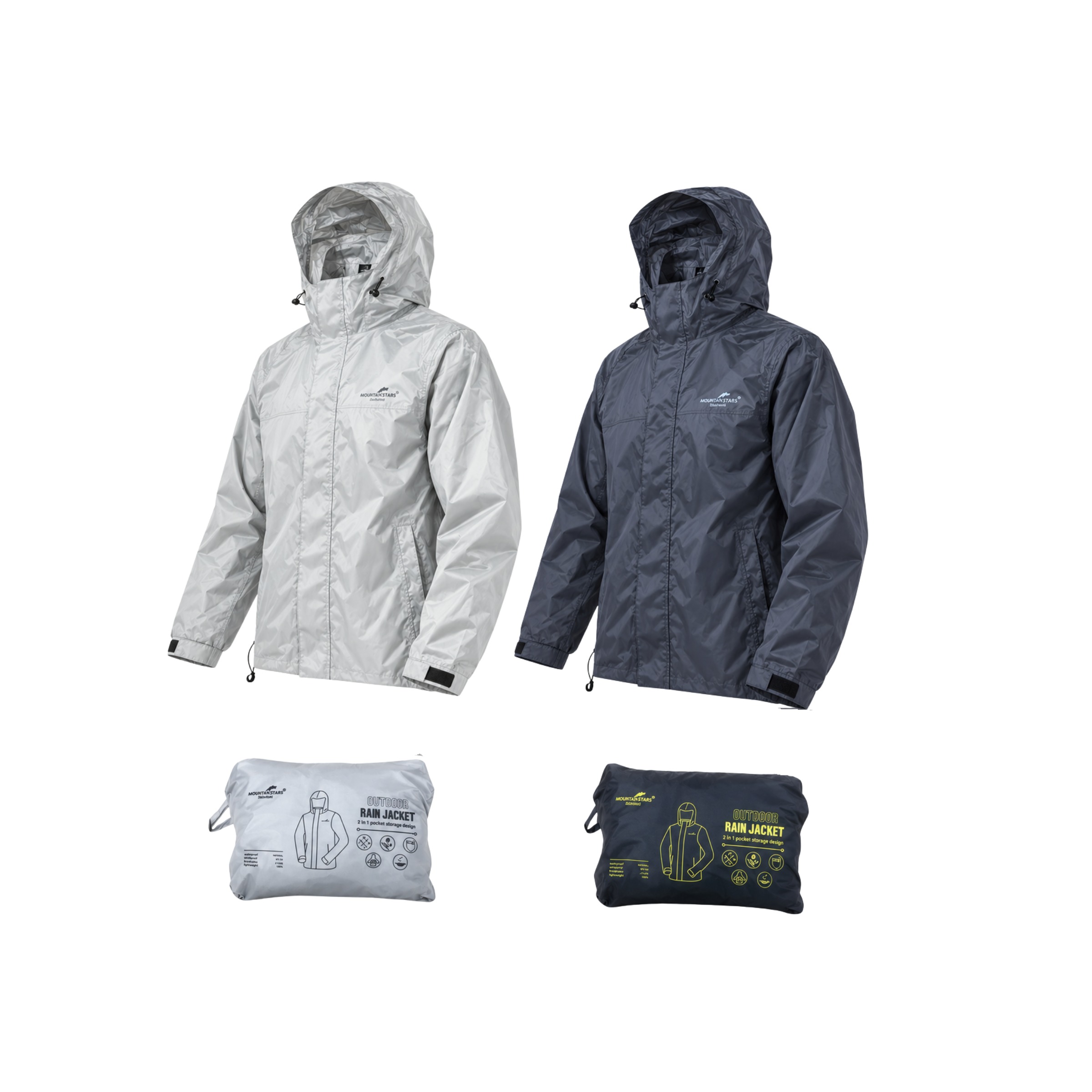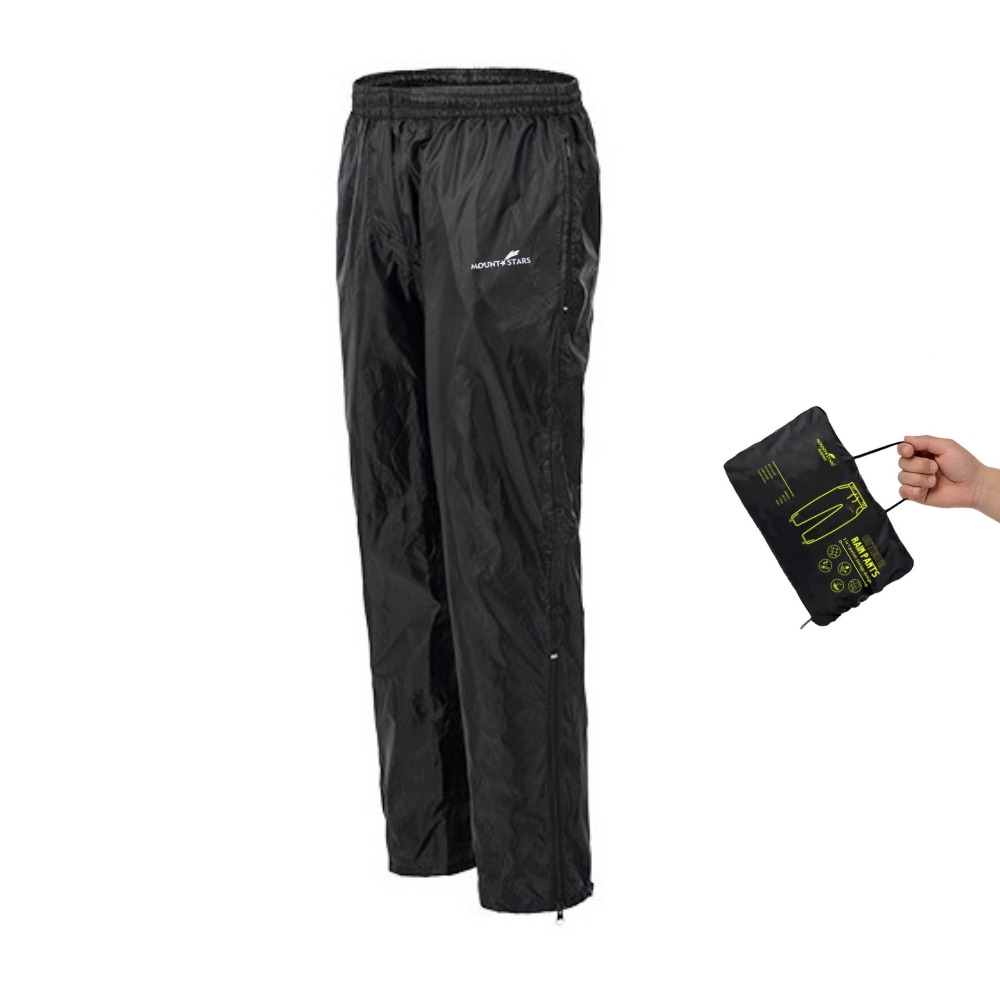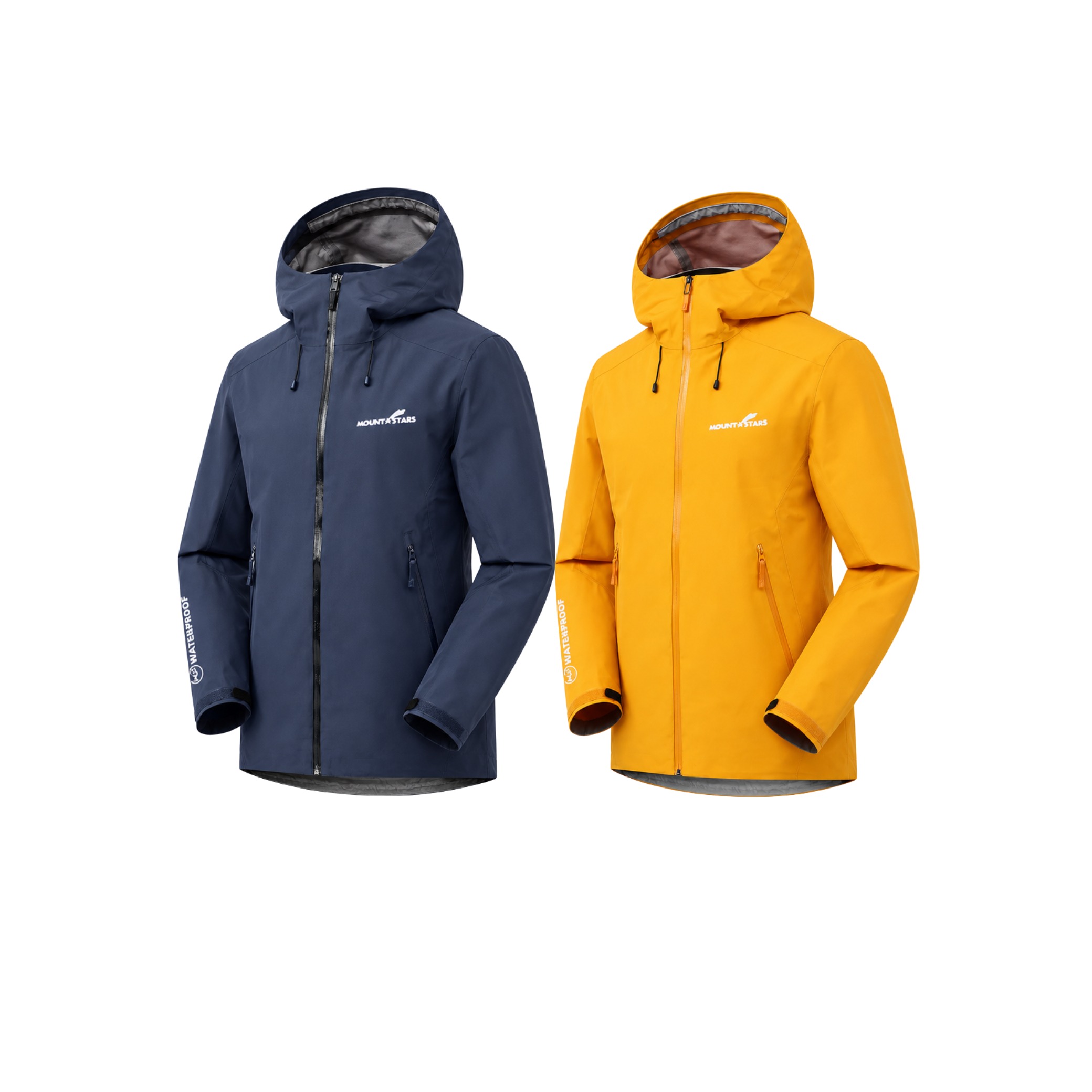
1. Check the care label and inspect for damage
Check whether home washing is allowed, hand or machine methods, detergent and drying or ironing limits. Care varies by material and construction. Also follow any washing-machine restrictions on washing or spinning waterproof clothing.
Inspect for tears, peeling inner layers and lifting seam tape. If damaged or the label is unreadable, do not force washing or heating; contact us with the model number.
2. Confirm washability, then clean
Empty pockets and secure zippers and hook-and-loop fasteners as instructed. Remove mud and sand gently. Use the specified detergent and dose; avoid softener or bleach unless explicitly allowed.
Rinse thoroughly according to the care label and detergent instructions. Do not twist or wring hard. Follow both garment and machine guidance for draining and spinning.
3. Follow the garment’s drying instructions
Use a dryer or iron only when the label allows it. Do not increase heat or use close-range hairdryers or heaters in an attempt to restore water repellency.
Follow the specified method for air drying too. Ensure hoods, pockets and other slow-drying areas are fully dry before packing.
4. What a water-repellent treatment can and cannot do
If proper washing and drying do not restore beading, consider a compatible treatment. Check garment and treatment instructions for spray-on or wash-in suitability, ventilation and where to apply it.
A repellent treatment cannot repair peeling membranes, holes or lifting seam tape. Surface beading alone does not prove whole-garment waterproofing. Inspect damage separately.
5. Dry fully and store without tight compression
Compact packing for a trip differs from long-term storage. Unpack and dry after use, avoid hot or humid places and do not leave garments tightly compressed for long periods.
Before your next trip, inspect zippers, hood, cuffs, seams and inner layers. Resolve concerns early rather than discovering them on the trail.