Understand the three roles
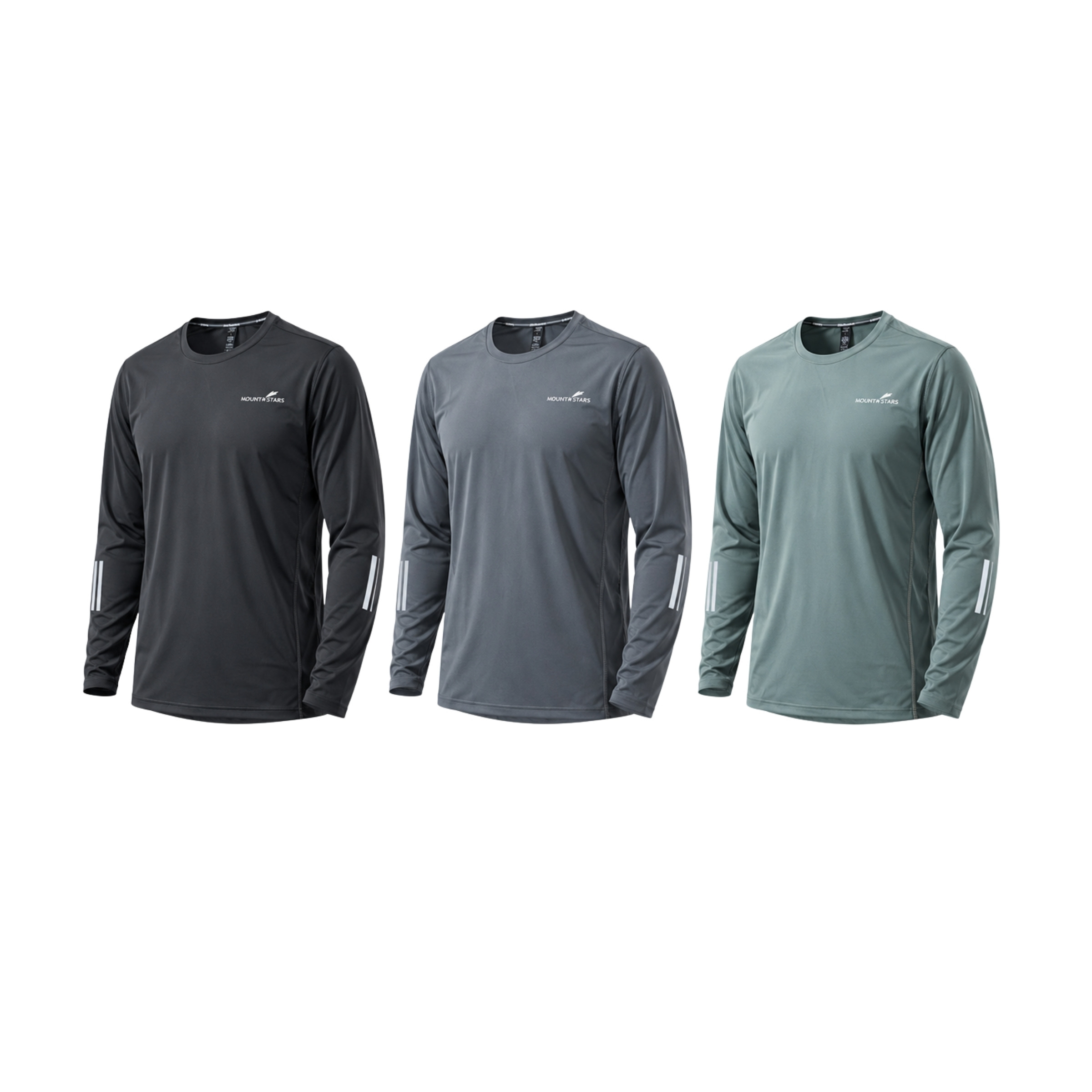
The base layer sits next to your skin. Consider how it feels when sweaty, how quickly it dries and how freely you can move. Check seams and comfort under a backpack.
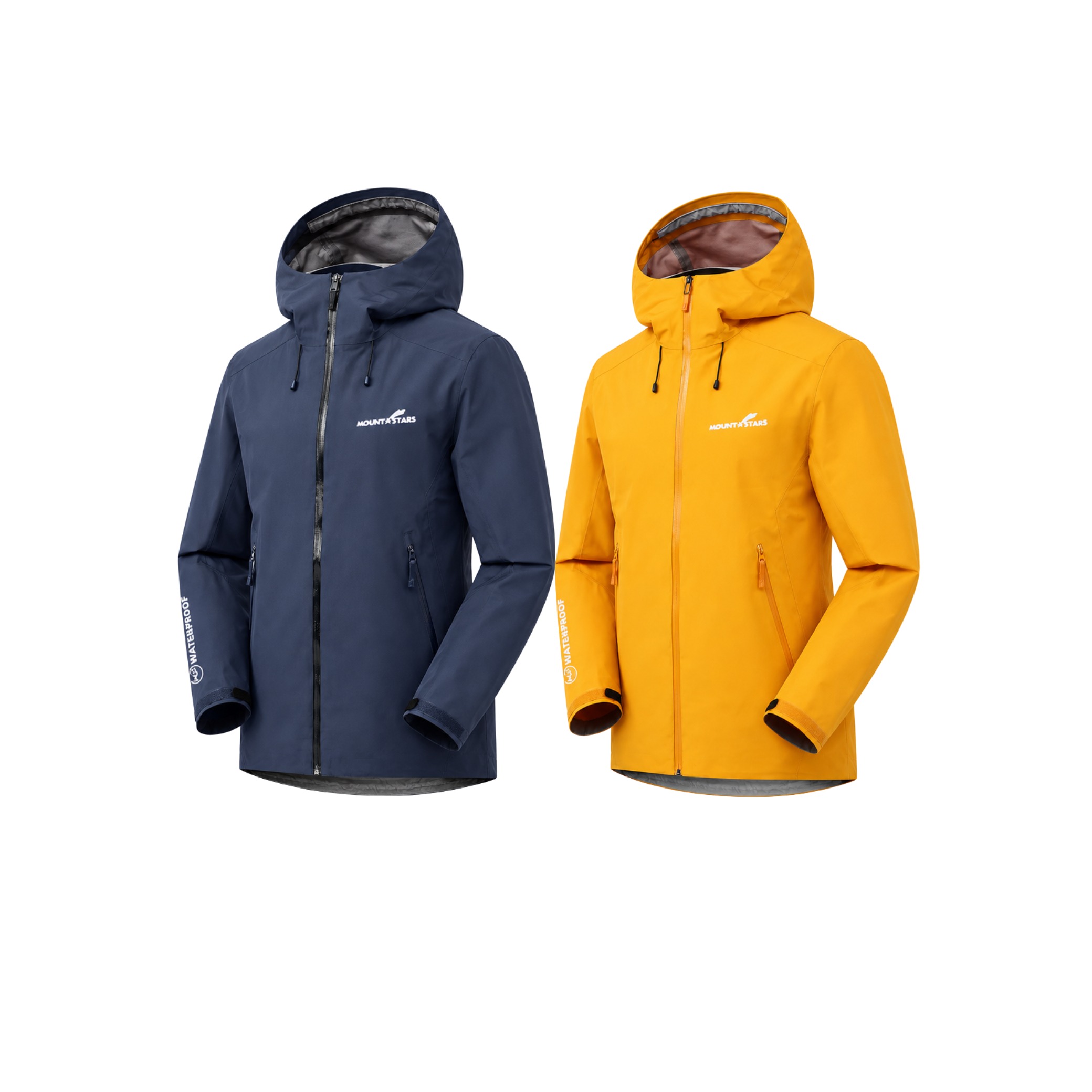
Mid layers mainly provide warmth: choose fleece or insulated clothing for the conditions and activity. Outer layers address wind and rain. Windproof does not mean waterproof, so check rain protection separately.
Three roles do not mean you must always wear three garments. A shell without insulation may not provide enough warmth on its own.
Adjust before you overheat
When you warm up on a climb, stop somewhere safe to adjust. Remove a mid layer, ventilate without letting rain in, or slow your pace as appropriate.
Even breathable rainwear can become damp inside when you sweat heavily. A high rating does not remove the need to manage heat and moisture.
Add a layer before you cool down
Your body generates less heat when you stop. Keep warm layers accessible for breaks and exposed ridges. Pack dry changes as your trip requires in case clothing becomes wet with sweat.
Choose a sheltered spot and avoid remaining in wet clothes. If adjusting layers is not enough for the cold or worsening weather, reconsider your route.
Do not choose by temperature alone
At the same temperature, wind, rain, sunshine, pace and personal comfort change what you need. Plan walking and resting layers for the forecast instead of assigning one temperature range to a jacket.
Try your planned layers before leaving. Move your arms and adjust hood and hem. Check that sleeves do not pull, insulation is not cramped and garments are easy to put on and remove.